A Stroller, a Gondola and Half a Million Lines of Code
Some projects start with a business plan. This one started with a stroller at a fairy-tale lake, a gondola ride through "1001 Nights" — and the question of whether sixty minutes in the Taron queue are actually worth it. The story of a passion project that learned to read theme-park days.
There are places where time seems to stand still — patches of earth where imagination and reality flow into each other so naturally that, for a moment, the worries of everyday life simply fade. Places where every corner tells a little story and a new world waits to be discovered behind every bend.
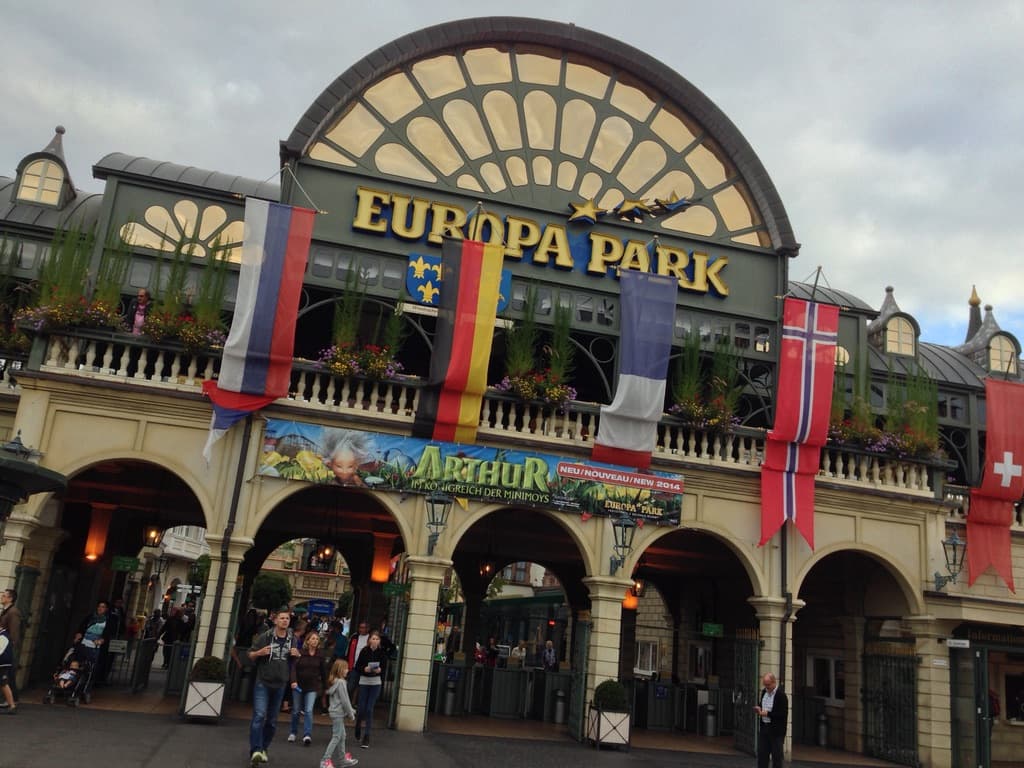
Mine is in Brühl, Germany. And if you want to understand why park.fan exists — why somebody pours years of his life, countless nights and half a million lines of code into a fan page about theme parks —, that's where you have to start. Long before anyone thought about wait-time data.
A stroller at the fairy-tale lake
My parents used to push me around the fairy-tale lake at Phantasialand in a stroller — past more than forty fairy-tale worlds whose lovingly built sets and moving animatronics told entire stories without needing a single word. Little Red Riding Hood, Cinderella, Ali Baba: for me, that was never just a day at a park. It was an immersion into stories come alive, staged with a devotion to detail that made you half believe the figures might actually wake up any second — you only had to look long enough.
Of course I didn't know back then that this lake was the beginning of everything. But somewhere between those sets, something took hold that has never let go of me since.
"1001 Nights" — rides that stay
And then there was the "1001 Nights" gondola ride, in service until 2009 and the first themed ride of its kind in Germany. In the late eighties it was a fixture of every one of our family visits: my parents and I in one of those gondolas, together on a journey that led deeper into another world with every metre — through the massive dragon's maw into the scenes of Sinbad, Ali Baba and Scheherazade, past mysteriously shimmering dripstone caves, carried by a staging you could sink into like an open book of fairy tales.
My father passed away in 2019. Maybe that's exactly why those shared rides have become so endlessly precious to me: they are like little lanterns of happiness that still glow warm today — they keep my childhood alive, and with it the memory of the man who glided through those worlds beside me.
And whenever my father, a truck driver, was out on tour again, my mother simply took the wheel herself: with her I discovered many other parks, first and foremost the Movie Park — back then still Warner Bros. Movie World. That's where I rode a roller coaster for the very first time in my life, on Lethal Weapon Pursuit: two police-car trains racing each other loop for loop through a dark warehouse — Germany's only dueling coaster, later known as "Cop Car Chase" and nothing but legend since 2006. The ride is gone. The addiction it sparked very much is not. Strictly speaking, my mother is therefore to blame for everything that followed.
If this love of theme parks is an inheritance, it comes from both parents: Dad contributed the fairy tales — Mom the roller coasters.
When people ask why park.fan is free and always will be, this is the most honest answer I have: this place gave me memories that shaped my life. This is my way of giving something back.
Of 5,000-point mice and a 10,000-point legend
I believe that's exactly what theme parks can do when they're built with real heart: they store moments that last a lifetime — and they never stop adding new ones. A fresh high score in Maus au Chocolat still puts the same childish grin on my face as it did back then — even though my partner cultivates the remarkable habit of snatching the 5,000-point mice away at the exact moment I'm taking aim, robbing me of the household record ride after ride.
In return, one triumph now belongs to me alone: after what felt like a hundred rides, I finally spotted it — the 10,000-point mouse in the second room. Where exactly it sits? With all due understanding for the question, that stays my secret.
Afterwards, pancakes and shakes at Phenie's in Wuze Town, fluffy and splendid and far too good for theme-park catering — and at the latest by then you understand why this park gets to call itself "Europe's Most Immersive Theme Park" without it sounding like marketing.
Orlando, May 2026 — once in a lifetime
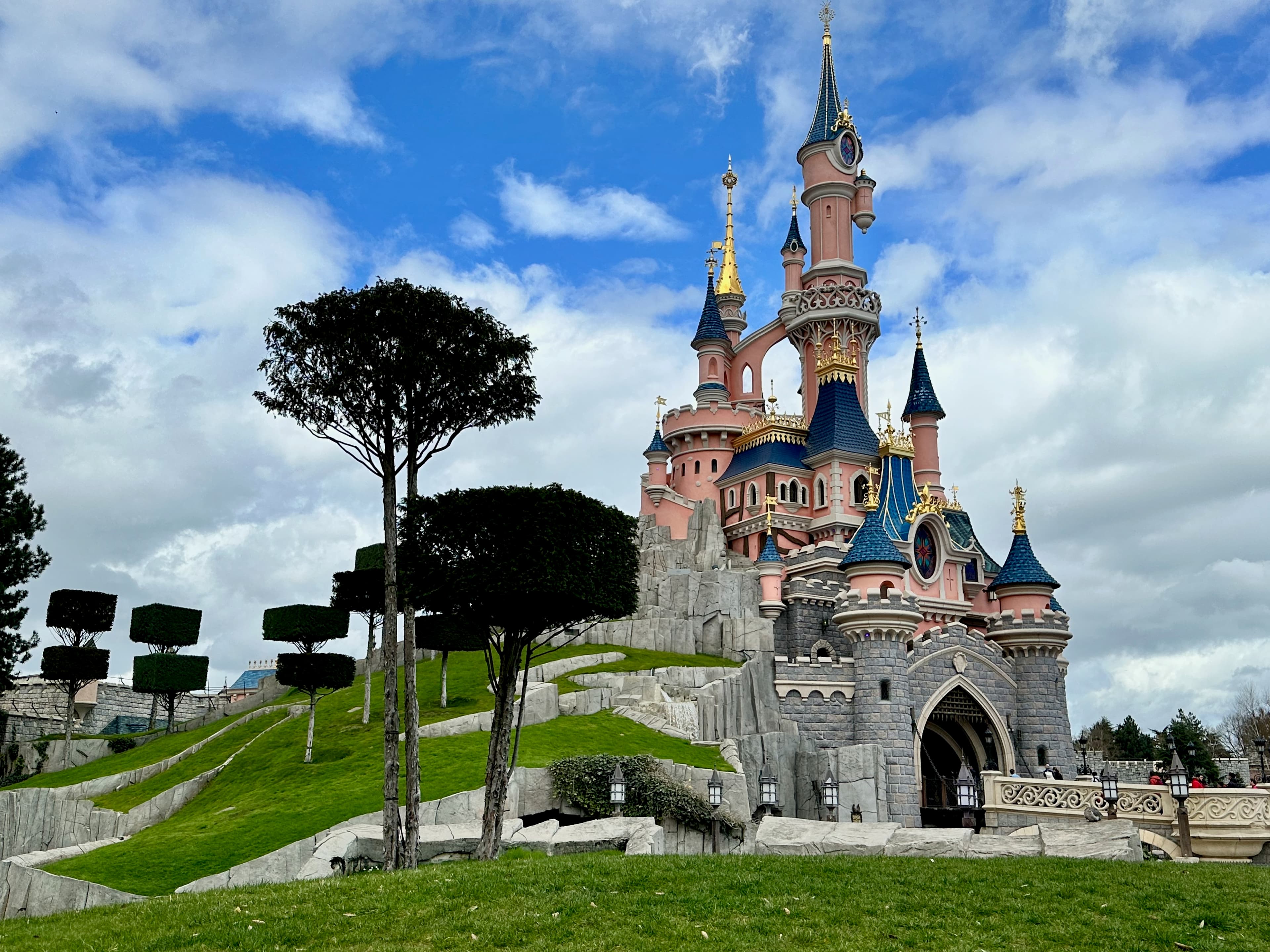
And then there was still that one big item on the life list that had never gotten its checkmark. In May 2026 we finally flew to Orlando — Walt Disney World, Universal and SeaWorld, the full programme, the once-in-a-lifetime trip I had dreamed of since childhood. It's a strangely beautiful feeling when the boy from the fairy-tale lake stands in front of Cinderella Castle at the Magic Kingdom decades later: everything bigger, everything louder, everything further from Brühl — and yet exactly the same tingle as back then in the gondola. In between, Epic Universe in its first summer, coasters at Islands of Adventure, orcas and Manta at SeaWorld — two weeks that felt like keeping a very old promise to myself.
I'm still sorting the photos, the trip reports are in the works — both will land right here on the blog in the coming weeks. Just this much up front: it was worth every single year of the anticipation.
The second me: the developer
Parallel to all those park years there was always a second me — one that has been building software for more than twenty-five years. Many of those years in the VPN world: first as Head of Software Development at CyberGhost, today as a Distinguished Software Engineer at ExpressVPN. Systems that millions of people use at the same time without ever wasting a thought on them — which is probably the greatest compliment you can pay infrastructure. On top of that, open source, smart-home adapters and more side projects than are good for me; all the stuff that piles up on arns.dev and GitHub.
Two passions, then, that ran peacefully side by side for decades without ever really meeting.
The moment in the Taron queue
Until that one afternoon that probably every park fan knows in one variation or another: sixty minutes of Taron standby, a display lying "about 45 minutes" into your face with stoic friendliness — and two stations over, a half-empty family ride sending car after car into the void. So there I stood: a person who processed real-time data streams for a living — and privately had not the slightest idea whether this queue was worth it, or whether I was simply trading lifetime for a handrail.
"Let me just quickly track some wait times." — I said. It became three years.
Three years of nights — how park.fan really came to be
What began as "just quickly" grew into what developers call a passion project and partners presumably call "that park thing again". A script became a data collector, the collector a pipeline, the pipeline a platform. In between lay nights of staring at wait-time curves at two in the morning because some park reported its data differently from all the others; debugging sessions that lasted longer than some park days; and that very particular moment of awe when a model correctly predicts a packed Saturday for the first time — days before it happens.
Because that was the real heart's wish: not yet another site that displays numbers — but a system that understands theme-park days. Our own AI model that had to learn that a rainy bridge-day in October is something entirely different from a sunny holiday Saturday in July; that school-holiday calendars, weather, opening hours and years of wait-time history together form a pattern you can read, if you just look stubbornly enough.
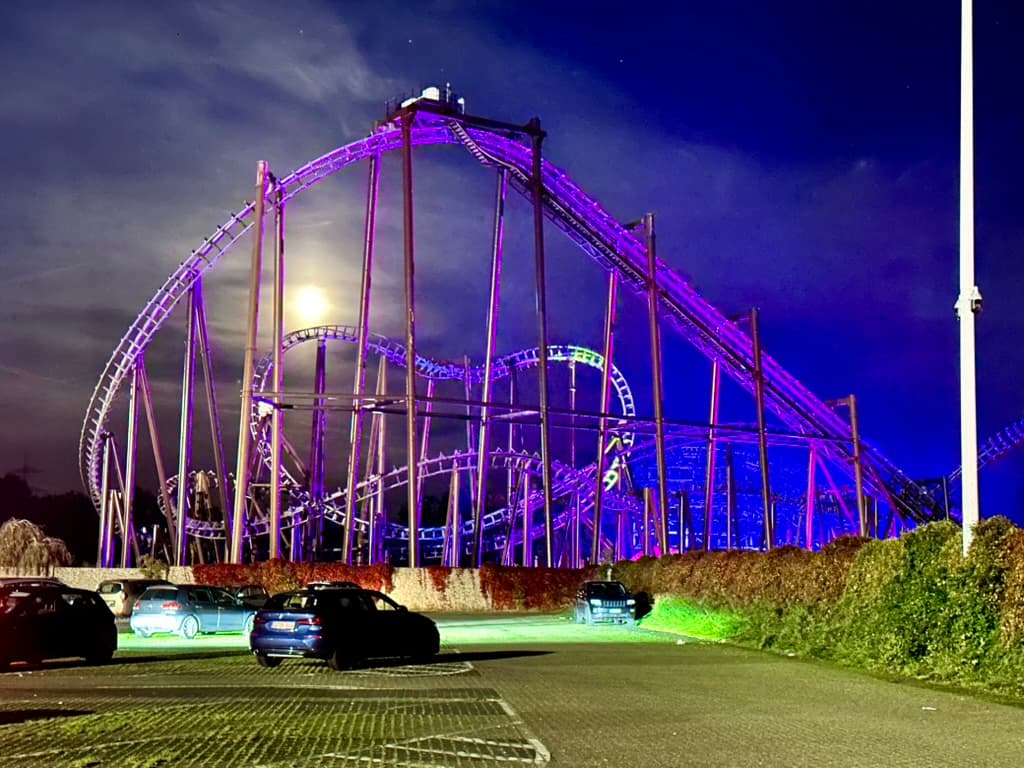
On the desk where all those nights happened, by the way, there now sits an original Taron wheel. One from the ride, mind you — not the kids' balance bike; that clarification is needed surprisingly often when visitors stand in front of it. This wheel raced thousands of laps through Klugheim before it was allowed to retire at my place, and during every late-night debugging session it reminds me what all the effort is actually for: somewhere out there, a real coaster is running right now — and someone out there wants to know whether the queue in front of it is worth it.
Today all of that has become a real-time nervous system for theme parks: live waits from over 150 parks and 5,000+ attractions, updated by the minute. Forecasts that assess the crowds up to 365 days ahead. And because I fundamentally only trust numbers that have to prove themselves: the model grades itself. Every prediction is later held against the wait time that was actually measured, and the hit rates are out in the open on the How-to page — no cheating possible.
When is the best day? Is a Sunday worth it?
It's always the same three questions a park visit raises, long before anyone gets into the car: When is the best day? Is a Sunday worth it? And how crowded will it really get?
That's exactly what park.fan is built for. Every park page has a calendar of the best days to visit — up to a year ahead, fed with school-holiday calendars, weather forecasts, opening hours and the park's complete wait-time history. An honest look into that data also clears up a few gut feelings along the way: a Sunday in grey November can be more relaxed than any Tuesday during the North Rhine-Westphalia summer holidays. A bridge day is almost never a good idea. And the "secret tip" of going when it rains works exactly as long as it takes everyone else to read the same secret tip.
The answer is never "Sundays are crowded", but: this Sunday, at this park, in this season — green, yellow or red. Open the calendar, look at the colour, decide. And once you're already in the park, the live data tells you whether the queue in front of you is the exception or the rule.
What makes park.fan different
There are good sites that show you how long the queue is right now. We can do that too — by the minute, worldwide. But park.fan was built for the question before that: is it even worth going?
That's why we go a few steps further:
- Forecasts instead of just the status quo. Our own AI model looks up to 365 days ahead — not just at the current display board.
- The best-days calendar. Holidays, weather, schedules and years of history, condensed into one simple answer: go, or better not.
- Honest self-assessment. Our hit rates are public — we measure ourselves against reality, not against our marketing.
- Everything in one place. Wait times, crowd levels, weather at the park gate, opening hours, attraction histories — in six languages.
- Free, ad-free, independent. No corporation, no paywall, no agenda. A fan page in the best sense of the word: built by someone who queues himself.
What this blog is going to be
A wait time without context is just a rumour with a decimal point. "50 minutes" — the same number three times, three completely different stories:
- 50 minutes for a flat ride? A plain waste of time. Three real coasters would have fit into that window.
- 50 minutes for the Velocicoaster on a Saturday afternoon? Strong — the peak is usually around 85, you basically caught the express lane.
- 20 minutes for Voltron Nevera a year after opening? Either a dream day — or the crowds have finally spread out.
The number lives in the chart. The story behind it lives here from now on — in three formats:
Trip reports. Long, opinionated, with photos — and with real data from the exact park that was actually visited. Not "it was nice", but: "Magic Kingdom, May 15th, 09:08 rope drop — that was the plan, this worked, this went sideways." The Orlando trip from above makes the start: Disney World, Universal and SeaWorld, photos included.
Data deep-dives. What does a park's wait-time history really reveal? When is Taron most worth it? And do our forecasts keep what they promise?
News. Short, honest, no SEO sermon. When something happens, it's here — faster than you can dismiss a cookie banner.
And the best part: the posts are alive. Charts, maps and wait times pull straight from park.fan — what you read is what the park is doing at this very moment. The two main characters of this story, live and unretouched:
Ride spotlight
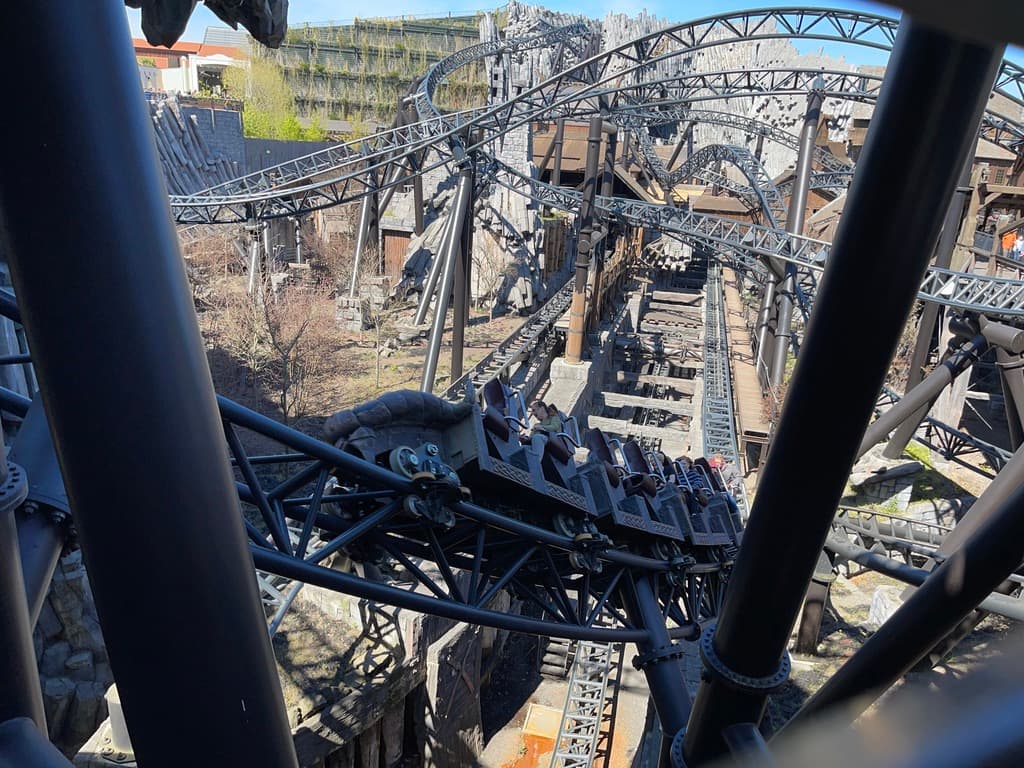
Taron
Phantasialand · Brühl, Germany
Ride spotlight
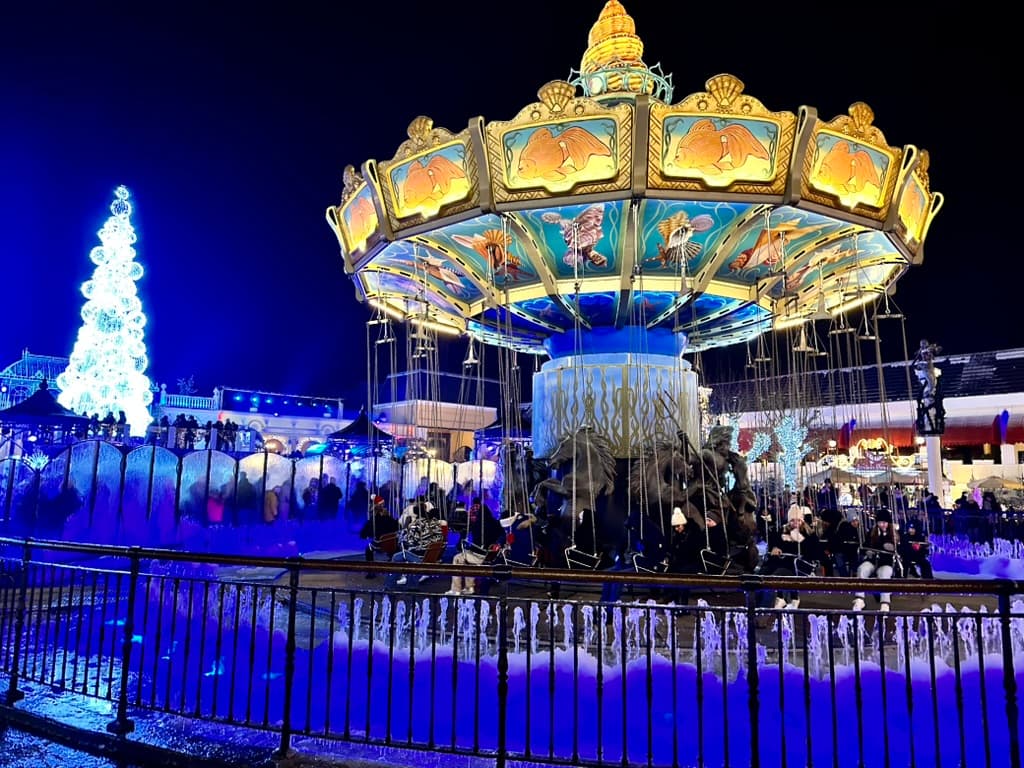
Maus au Chocolat
Phantasialand · Brühl, Germany
And because good data is allowed to look good, too — the weather, right now at the Phantasialand gate:
Who's writing here
Me, Patrick — tap my name up top and you'll land on my profile. A Germany-based backend developer, coaster junkie since the stroller days, data person by calling. More tech and side-project stuff on arns.dev.
Not a marketing flyer. Promised.
That is exactly what this blog is not and never will be. park.fan costs nothing, carries no ads and belongs to no one but curiosity. If a park is run badly, we'll write it. If an app is worse than the official one, we'll say that too. Got a topic that itches you? Write me — the email is in the imprint.
And because it simply had to happen, there is now even a park.fan song. Yes, seriously:
Thank you for reading this far. This place — the platform, the blog, all of it — is my thank-you to a park at a fairy-tale lake, to parents who took a little boy there again and again, to a father in a gondola — and to every single person who loves theme parks the way I do. And now: go queue for something — but only if the data says it's worth it.
— Patrick
P.S.: Yes, the 10,000-point mouse in the second room of Maus au Chocolat really exists. No, I won't tell you where it sits — go find it yourself. And should you spot a 5,000-point mouse along the way: hands off, I need that one for the rematch.
P.P.S.: To Silas aka Parkfan95: honestly, I bought the park.fan domain before you renamed yourself from EPFan95 to Parkfan95 — pure coincidence, promise. And to everyone who was actually looking for him and ended up here instead: sorry! Head over to parkfan95.de — well worth the visit.
Enjoying park.fan?
Make us a preferred source on Google in one click — park.fan wait times and guides then rank higher in your search results.
More from the blog
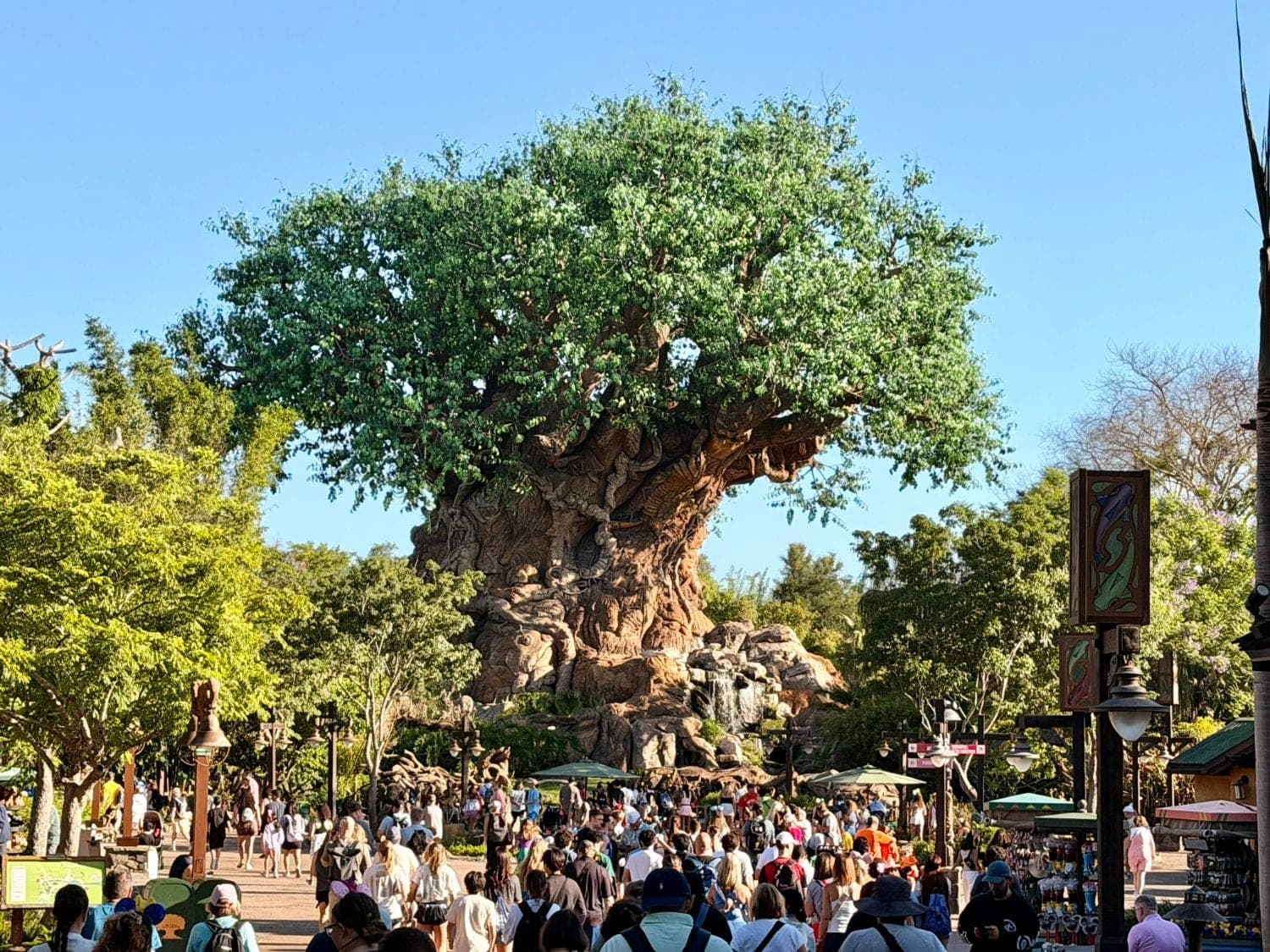
Sixty minutes of waiting — and yet the time simply flies by? No coincidence: behind every good queue lie psychology, storytelling and hard-nosed capacity math. A deep dive from the pre-show to Little's Law — and, right in the middle, the reason park.fan exists.
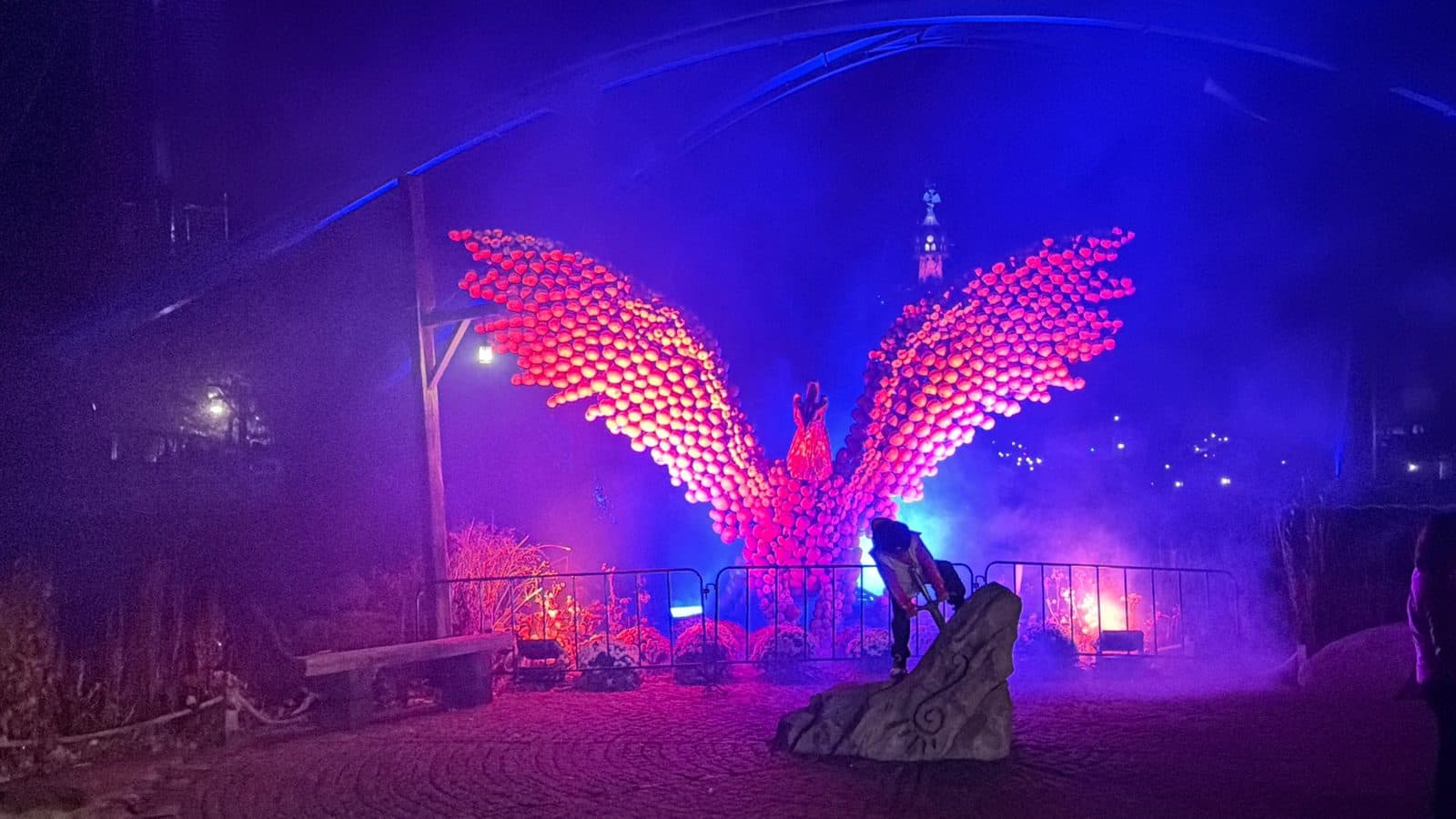
From the continent's "biggest" Halloween event at Movie Park, through the uncompromising Traumatica, to the notorious Walibi Experiences — for which people voluntarily pay 20 to 25 euros extra to go through things they'd rather not talk about afterwards: the big — and, honestly, rather gleeful — overview of the 2026 Halloween season in Germany, the Netherlands, Belgium and France. Complete with the two top parks that pointedly sit the whole circus out, and the question of when it gets busiest.